KwaZulu-Natal's roads present unique challenges – from coastal humidity affecting vehicle systems to mountainous terrain testing brakes and engines. Whether you're commuting through Westville or traveling long distances, these emergency safety tips could save your life.
Before Emergencies Happen
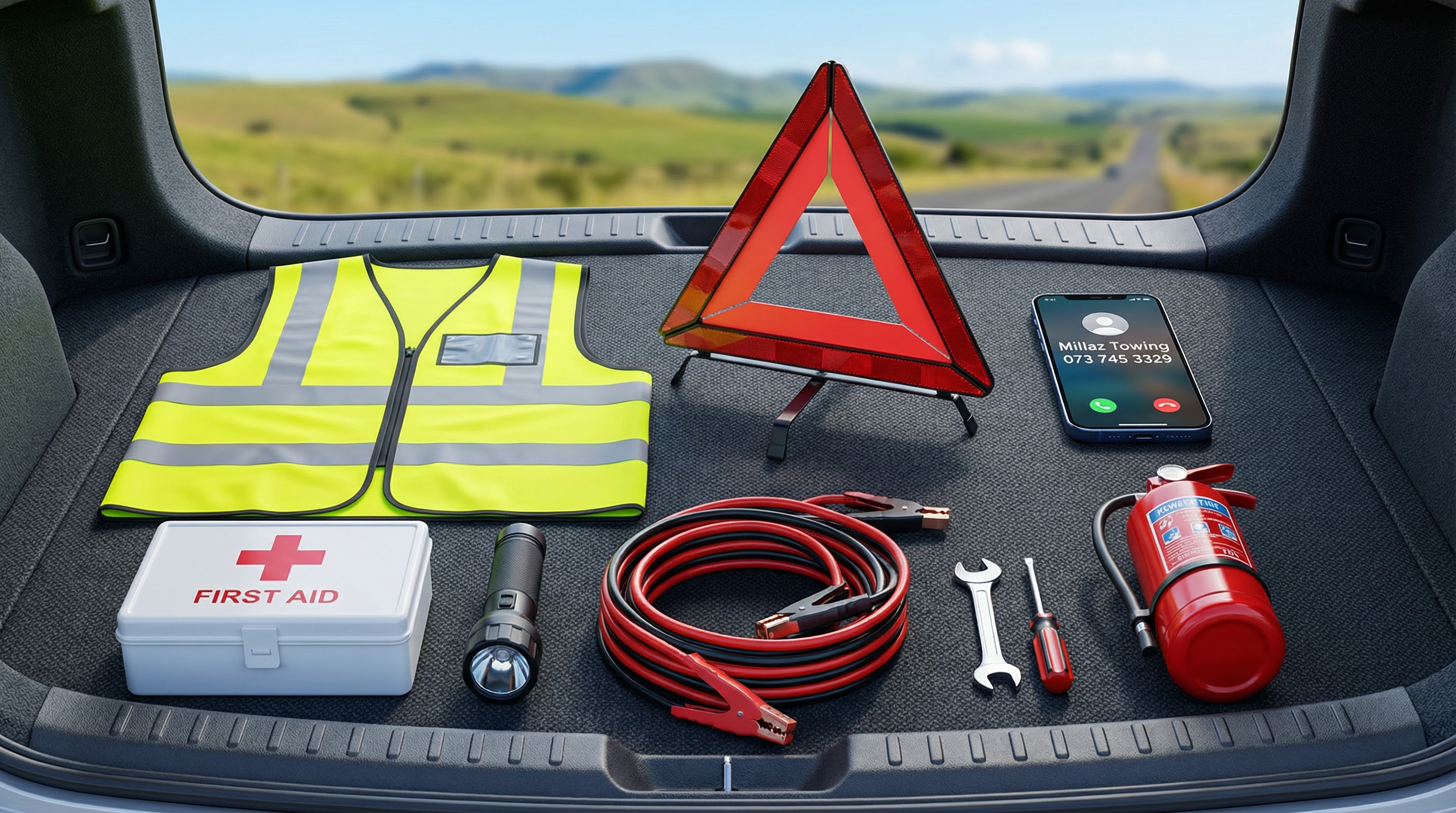
Preparation prevents panic. Maintain a vehicle emergency kit containing: warning triangles, reflective vest, first aid supplies, flashlight with extra batteries, basic tools, jumper cables, fire extinguisher, and emergency contact numbers. Keep your fuel tank above quarter-full and ensure your spare tire is properly inflated. Service your vehicle regularly and address mechanical issues immediately.
When Your Vehicle Breaks Down
Move to the safest possible location – the road shoulder on highways or a parking area if available. Activate hazard lights immediately and set up warning triangles 45 meters behind your vehicle (further on high-speed roads). If you cannot move your vehicle safely, everyone should remain inside with seatbelts fastened. On busy routes around Pinetown and Hillcrest, exiting your vehicle into traffic is extremely dangerous.
Staying Visible and Safe
Wear your reflective vest if you must exit the vehicle. At night or in poor weather, visibility is severely limited – other drivers need maximum warning. If you're on a highway shoulder, stand well away from the road behind the barrier if possible. Never attempt repairs in traffic lanes. Call for professional assistance rather than risking your safety.
Adverse Weather Conditions
KZN experiences intense thunderstorms, heavy fog in inland areas, and occasional flooding. When weather deteriorates, reduce speed, increase following distance, and use headlights. If visibility becomes severely limited, exit the highway safely and wait for conditions to improve. Don't attempt to drive through standing water – road surfaces underneath may be damaged or washed away.
Accident Scenarios
After any collision, prioritize safety over vehicle damage. Check for injuries, call emergency services if needed, and secure the scene. Exchange information with other drivers but avoid discussing fault. Document everything with photographs.
Communication is Critical
Always carry a charged mobile phone. If you're traveling through areas with poor signal, inform someone of your route and expected arrival time. When calling for help, provide your exact location – use highway markers, GPS coordinates, or nearby landmarks. The more information you give, the faster assistance arrives.
Trust Professional Help
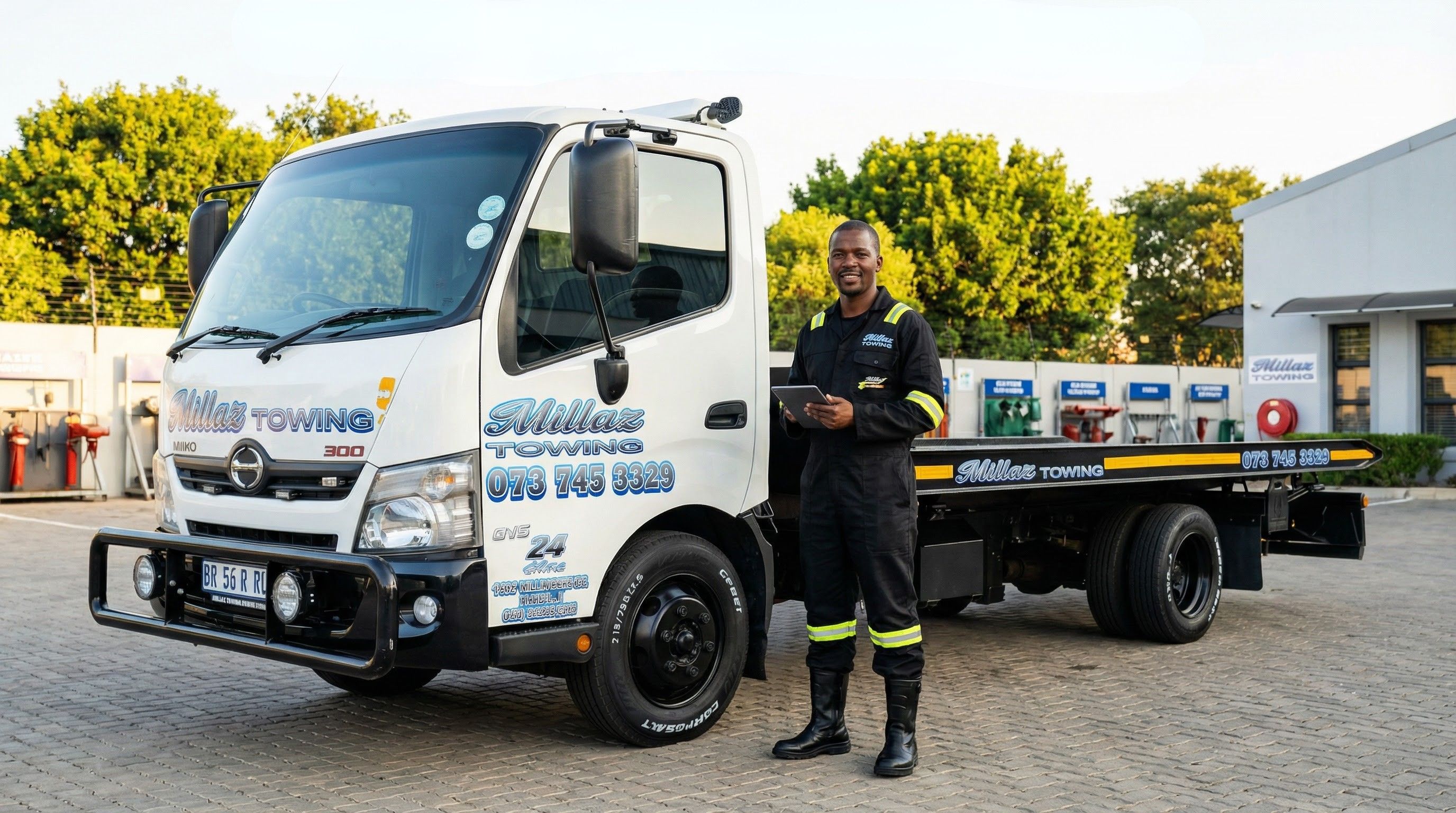
Don't accept assistance from unmarked vehicles or unknown individuals claiming to offer towing services. Use reputable providers you've researched beforehand. For breakdowns in the Kloof, Hillcrest, and surrounding areas, having a trusted towing service's contact information ensures you receive professional, honest assistance during emergencies.
Share this article